
Art portfolio
Welcome to my art portfolio, where I showcase a varied collection of horror, abstract, surrealism, photography, comic book and magazine work. I hope you like what you see and feel compelled to comment on it.

BIRD
This piece takes an abstract shape and turns it into something that feels alive, almost like a creature caught in motion. The flowing purple and blue forms don’t try to copy anything from the real world. Instead, they invite the viewer to use imagination to decide what they see: a bird, a dancer, a futuristic figure, or something completely different.
The deep blue background adds a sense of depth, making the central shape appear to float or glide through space. Light reflections along the curves give it an almost metallic or glasslike feel, as if it’s made from something otherworldly.
The quote underneath “Abstraction allows man to see with his mind what he cannot see physically with his eyes” captures the purpose of the artwork perfectly. It reminds the viewer that abstract art isn’t about recognising objects; it’s about experiencing emotion, movement, and possibility. The meaning isn’t fixed. The viewer completes the picture using their own imagination.
In simple terms:
This artwork is an invitation to think, to imagine, and to see beyond what’s in front of you.

TOP IMAGE – Red, Yellow & Blue Shapes
This picture feels like stepping into a bright, other-worldly place. The yellow shapes glow like tiny suns, while the blue and white forms float around them as if they’re alive. Nothing looks familiar, but everything feels playful and full of energy. It’s like watching imagination take shape abstract, colourful, and open to whatever the viewer wants to see.
BOTTOM IMAGE – Neon Waves & Shapes
This artwork looks like a wave of neon colours frozen in motion. Bright lines and glowing shapes swirl and overlap, almost like music turned into light. The mix of patterns and colours gives it a lively, electric feel. It’s the kind of image that pulls you in without needing to look like anything real just pure colour and movement for the eye to enjoy.

Top Left Artwork (Geometric Shapes & Soft Gradients)
This piece plays with blocks, circles, and gentle colour shifts to create a sense of calm order. Even though the shapes are simple, squares, rectangles, and rounded forms the way they overlap gives a feeling of depth and movement. It’s like looking at a puzzle where the pieces are sliding into place, inviting the viewer to find patterns that aren’t immediately obvious.
Top Right Artwork (Circular, Organic Form)
This image feels almost like looking into the cross-section of a strange, living object. The layered rings and flowing colours pull the eye inward toward the glowing centre. The curving black shape at the top gives it a sense of motion, as if it’s growing or unfurling. It’s abstract, but it hints at something biological, cosmic, or even volcanic, depending on what the viewer brings to it.
Bottom Left Artwork (Energetic Cube of Colour)
This piece is all about energy. The cube form looks like it’s vibrating or shifting between dimensions. Bold reds, greens, and purples blur together, giving the impression of motion trapped inside a solid shape. It feels like a structure made of light rather than something physical, something that’s there, but constantly changing.
Bottom Right Artwork (Abstract Figure on Red Background)
Here, the shape resembles a stylised human or creature caught mid-movement. The sweeping curves and twisted form give it character without needing any recognisable features. Set against a strong red background, the figure stands out like a silhouette made of polished metal and colour. It’s expressive and dynamic, letting viewers decide what emotion or personality they see in it.

This image reads as a minimalist, abstract sculpture suspended Unnatural Things 3 is not gentle. It doesn’t flinch. in void.
A lattice of pale, ribbed strands twists and buckles in mid-air, forming a fractured helix that seems both architectural and anatomical. The lines repeat rhythmically, like vertebrae or woven sinew, creating a sense of measured tension, as though the form is simultaneously assembling and collapsing.
The white structure glows against the black field, giving it a ghostly, x-ray quality, as if we are seeing the inner framework of something normally hidden. Its asymmetry suggests motion: a slow spiral, a torque frozen at the moment of strain. There is no clear beginning or end, only process, distortion, and becoming.
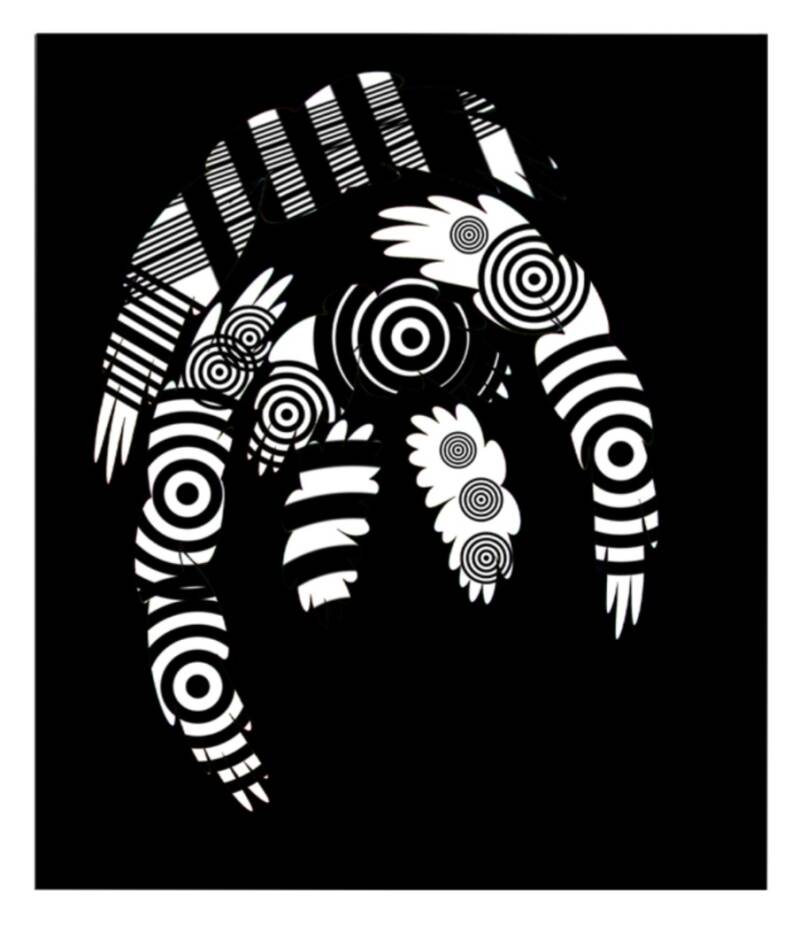
This image presents itself as a bold, graphic abstraction rooted in optical rhythm and symbolic repetition.
A crescent-shaped form emerges from a field of deep black, constructed entirely from high-contrast white motifs concentric circles, stripes, and feather-like extensions. The repeated circular targets function like eyes, sound waves, or psychic nodes, giving the piece a hypnotic, almost ritualistic presence. These circles pulse visually, creating movement without motion, as if the form is vibrating or alive.
The composition feels totemic and insectoid, reminiscent of a stylised creature, mask, or ceremonial figure. Its curved posture suggests a protective curl or predatory arc, while the alternating stripes evoke ideas of signal, warning, or camouflage. There is a strong sense of controlled patterning, order imposed through repetition, yet the overlapping forms introduce chaos and depth.
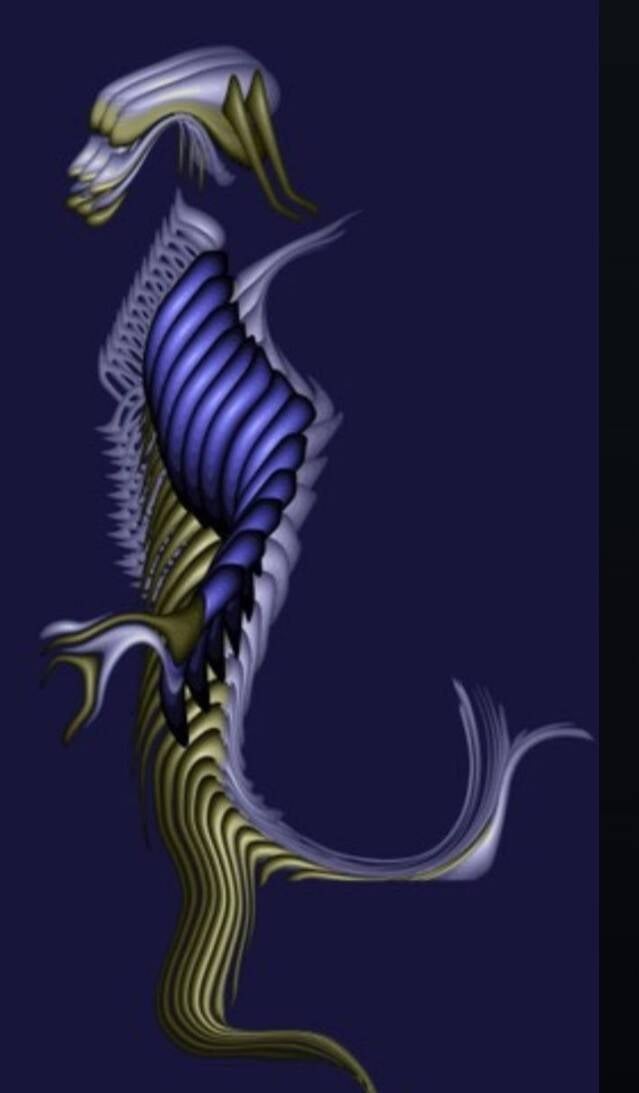
The creature stands like a nightmare sculpted from the deep. tall, thin and disturbingly elegant, as though evolved in total darkness. Its body is ribbed with layered plates, each one shimmering in bruised blues and sickly greens, like something half-metallic, half-alive. The plates don’t look grown so much as forged, as if some unseen force hammered its flesh into armour.
Its head is the worst part: a long, predatory skull hidden beneath overlapping ridges, each one curving forward like the segments of an insect’s exoskeleton. No eyes are visible, only the sense that it sees everything anyway. Its mouth, if it even has one, is lost beneath folds that look capable of peeling open when it feeds.
The arms are spined and talon-like, too long for a human shape, and ending in hooked claws meant for gripping, tearing, or dragging prey into the dark. A thin tail trails behind it, tapering to a cruel point, giving the creature the stance of something that swims through shadow as easily as water.
Every line of its body flows like liquid metal, as if it might shift shape at any moment. It looks less like a living being and more like a summoned entity, an engineered predator built for stealth, hunger, and silence.
It doesn’t just appear alien…
It appears designed.

A dark, moody image that feels quiet but uneasy.
The colours are muted and heavy, as if the light is struggling to survive. Shadows dominate the scene, soft at the edges but deep at the centre, giving everything a worn, aged feeling. Nothing looks clean or new, it feels old, touched by time and neglect.
There’s a sense of stillness, but it isn’t peaceful. It’s the kind of silence that suggests something has just happened… or is about to. The composition draws your eye inward, inviting you closer while making you slightly uncomfortable, as if you’re standing somewhere you shouldn’t be.
Overall, the image feels haunting rather than violent, more about atmosphere than action. It lingers in the mind, like a half-remembered nightmare or a forgotten photograph found at the bottom of a drawer.
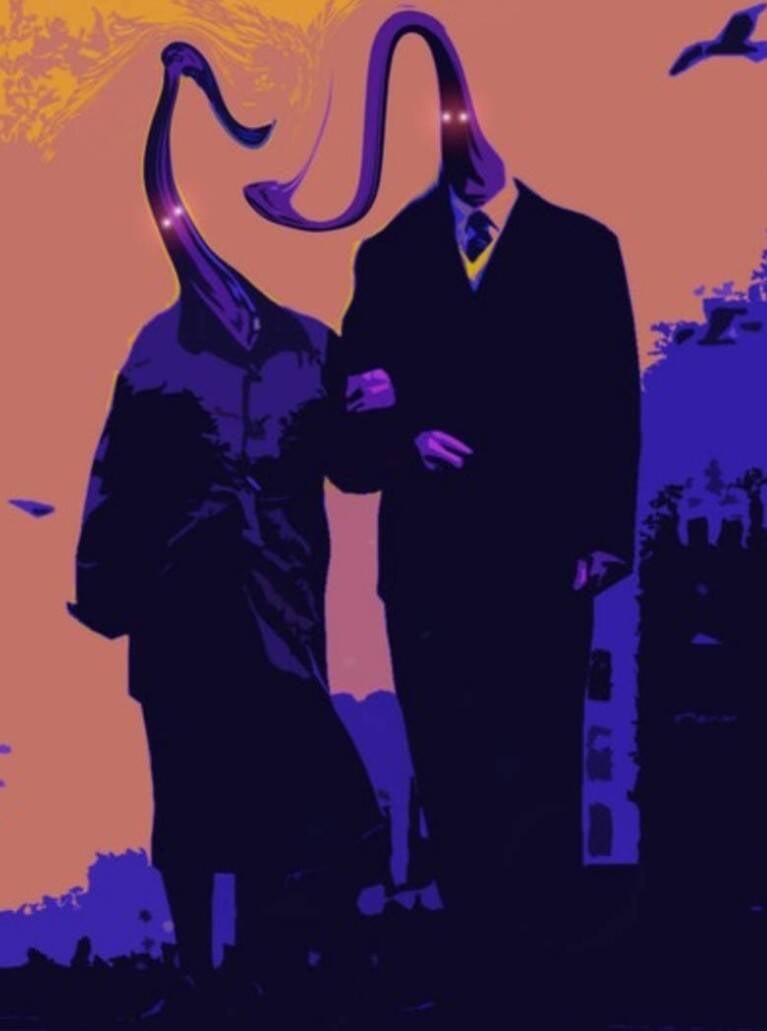
THE COUPLE WHO WALKED BETWEEN WORLDS
An Origin Myth
Long before people settled the valley, before the churches were raised and the streets were given names, the land was watched over by a pair of guardians known only as The Witness and The Keeper. They were not gods, nor spirits in the usual sense, they had been human once, a married couple whose love outlived their bodies.
According to the oldest tale, they were a man and woman who lived during a winter so cruel it split the sky. The cold came without warning, killing crops, freezing livestock solid where they stood. One night, as the wind screamed like a dying animal, the couple ventured out to search for a missing child from their village.
They were never seen again.
But people spoke of strange lights dancing in the storm that night, two points of violet flame drifting through the blizzard long after a human should have frozen. When spring finally returned, the villagers found no bodies, only long, serpent-like impressions in the snow, as if something had slithered upright on two legs.
Centuries passed. The village grew into a town. The town grew into a city. The myth faded.
But the sightings did not.
People walking alone at dusk sometimes saw a man and woman strolling arm-in-arm far ahead on the road. Their clothing old-fashioned. Their posture perfectly ordinary. But when the wind shifted, their heads stretched upward like ribbons caught in an updraft, long, bending silhouettes with faint, shimmering eyes hovering near the ends.
Always two.
Always together.
Always walking.
Local superstition claims they appear where a life is about to be lost. Not to cause death, but to bear witness to it guiding the soul out of the cold, the way they once tried to guide the lost child through the storm.
Others say they’re searching still, doomed to wander in the half-world between life and death, their forms stretched thin by the border they crossed.
But there is one rule repeated in every version of the myth:
Do not call out to them.
If they stop walking and turn their glowing eyes toward you, you will feel your name unravel inside your skull, tugged from you like fabric pulled into a loom.
For they can only guide those who have lost themselves—and the moment you answer them, you are already halfway gone.
And so they walk, endlessly, through centuries and across streets that never existed in their time. A couple locked together in love… and in something far older, colder, and hungrier than love.
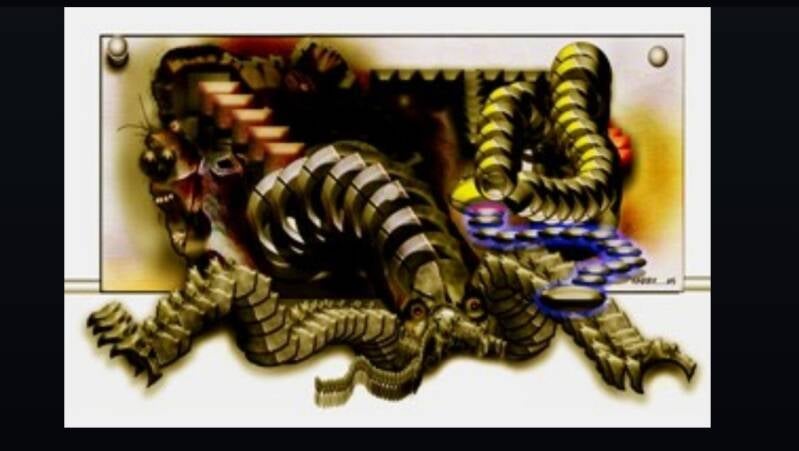
An eyewitness from Toxteth redevelopment site, 1998:
“It came out of the wall like the wall was having a nightmare. Segments falling into place, clicking but soft, like muscle being folded. And then it looked at me. Just looked. Then it slithered across the ceiling like gravity was optional.”


“Routine”
This artwork takes a normal bus stop scene and makes it look strange and dreamlike. The people all look the same, showing how everyday routines can feel dull or repetitive. The empty sky and lonely house add to the feeling that something is slightly off. It’s a reminder that even ordinary moments can have a mysterious side.

TOP IMAGE – “The Street of Unraveling Faces”
In this surreal scene, a headless figure stands in the middle of a dark city street while several floating faces drift above it. Each face looks shocked or confused, as if they’ve been split away from the person below. The artwork captures a feeling of losing control, losing identity, or feeling pulled in too many directions at once. It’s strange, unsettling, and meant to reflect the moments when life overwhelms us and we no longer feel like ourselves.
BOTTOM IMAGE – “Urban Mythologies”
A chaotic mix of doodle-like creatures, faces, and symbols fills the sky above a row of city buildings. The drawings look playful at first, but there’s something eerie about them like strange thoughts or dreams spilling out where everyone can see. This piece explores the idea that even in modern, busy cities, our minds are full of old fears, fantasies, and unanswered questions. It’s a blend of humour, chaos, and quiet unease.
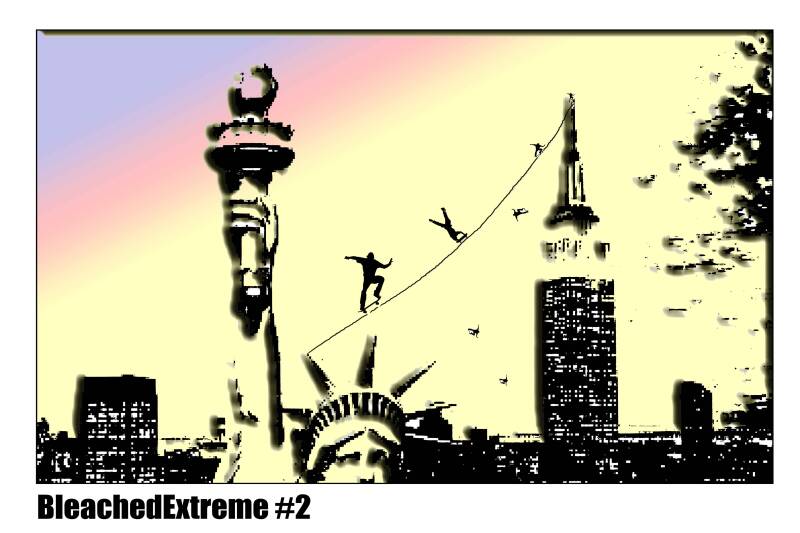
A stark, sun-bleached scene of a city reduced to shadows.
A lone figure walks a tightrope stretched high above the skyline, while others fall away into empty space.
Famous shapes rise like ghosts, tall towers and a broken symbol of freedom, stripped of detail and colour.
The sky is pale and unreal, as if the light has burned the world thin.
It feels fragile, risky, and quiet, like everything is balanced on a single step.
MUSIC
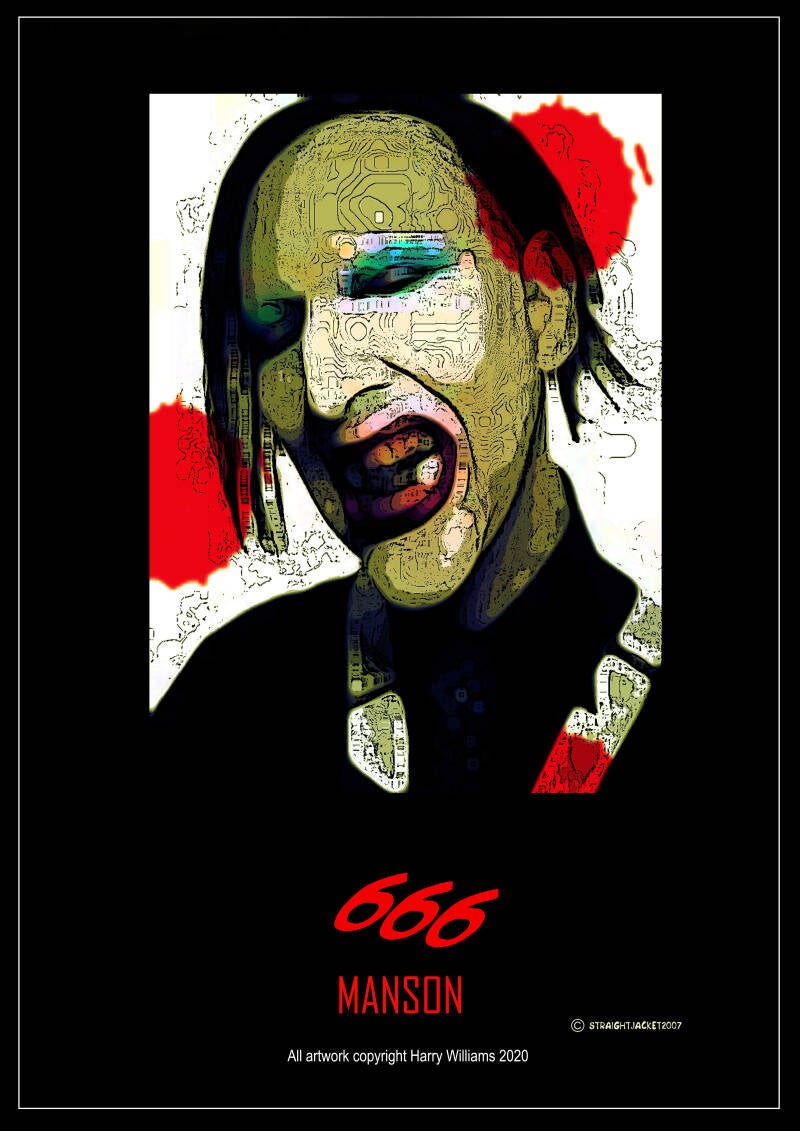

Back in 2009 I was working for a music promotion company as a graphic designer.
Liverpool held a music extravaganza over four days, and I was told to go and cover it.
I produced a magazine for the company based on the event
Below are a few of the pages that I created.
Liverpool
Sound City 2009
Liverpool Sound City 2009 marked the festival’s second year and firmly established it as one of the UK’s most exciting urban music and arts events. Spread across multiple venues throughout the city clubs, bars, warehouses, theatres, and pop-up spaces, the festival created a vibrant, city-wide celebration of new music, creative talent, and industry innovation.
Over four days, Liverpool transformed into a cultural hub where emerging bands, established artists, and industry professionals converged. The programme included:
• Live Music Performances
Dozens of acts from the UK and around the world performed across iconic Liverpool venues. The festival was known for spotlighting breakthrough talent before they hit the mainstream, offering audiences intimate and energetic shows throughout the city.


Whilst working as a graphic designer I was commissioned by a primary school in Liverpool to design and produce a comic book.
One of the specifications was that every child was to appear in the publication.
Whilst in University I gained a degree in motion graphics/animation and was aware of the timescale involved in hand drawn creations.
I storyboarded the comics outlay, then got the pupils to pose in the required way that was needed to give the story a structural flow.
Taking the photographs I added a filter, text and original backgrounds.
The results were satisfying and was well recieved by the client.


My Selection of Original Horror Artwork
Welcome to my curated collection of original horror artwork, where creativity and fear merge to spark imagination and chills. Each piece in my selection is meticulously chosen to showcase the haunting beauty and raw emotion that define the horror genre. Whether you're a collector, enthusiast, or simply someone who appreciates the thrill of the macabre, my collection offers something unforgettable to ignite your imagination and awaken your darkest curiosities.

My Passion for the Works of Stephen King
Stephen King’s storytelling has always captivated me, and my passion for his works continues to grow with every novel and short story I read. Known as the "King of Horror," his ability to weave intricate plots, create deeply complex characters, and evoke genuine emotion makes his writing truly special. From iconic novels like The Shining and It to lesser-known gems like Lisey’s Story, King’s versatility as an author is unmatched. What fascinates me most is how he seamlessly blends elements of horror, suspense, and even heartfelt drama, making each story more than mere entertainment—it’s an exploration of human fears and resilience. Through his words, I’ve learned to appreciate the art of storytelling and the power of imagination. Stephen King is more than an author to me; he’s an inspiration who reminds us that even the darkest tales can hold a glimmer of hope.


The Influence of Clive Barker on My Writing of the "Unnatural Things" Series
When crafting the "Unnatural Things" series, I found myself frequently returning to one of my greatest literary inspirations: Clive Barker. Barker’s unique ability to blend visceral horror with profound imagination has profoundly shaped my approach to storytelling. His works, such as Hellraiser and The Books of Blood, are masterclasses in how to weave grotesque beauty and dark wonder into narrative form. Barker’s fearless exploration of the human condition through the lens of the supernatural inspired me to delve deeper into the complexities of my own characters and the worlds they inhabit. Much like Barker, I aim to create a balance between the macabre and the marvellous, crafting stories that are as thought-provoking as they are unsettling. His influence is evident in my desire to challenge conventional boundaries of genre, interweaving elements of dark fantasy with psychological depth. For me, Barker’s work serves as a reminder that in darkness, there is always an opportunity to uncover profound truths—and this philosophy lies at the heart of the "Unnatural Things" series.


SPLIT PERSONALITY DISORDER

THE BOYS

The Distortion of the Human Face in art / Francis Bacon
Francis Bacon, one of the most compelling artists of the 20th century, is renowned for his raw, visceral depictions of the human form, particularly the human face. His works often explore themes of vulnerability, existential dread, and the fragility of human identity, conveyed through his signature distorted imagery. Bacon’s portraits and studies of the face are not bound by traditional realism but instead delve into the psychological and emotional essence of his subjects. By manipulating features, stretching, smearing or fragmenting them, he challenges the viewer to confront the complexities of human experience. Drawing from influences such as Surrealism, photography, and even the Old Masters, Bacon’s approach to the human face is both haunting and deeply evocative, cementing his legacy as a transformative figure in modern art.

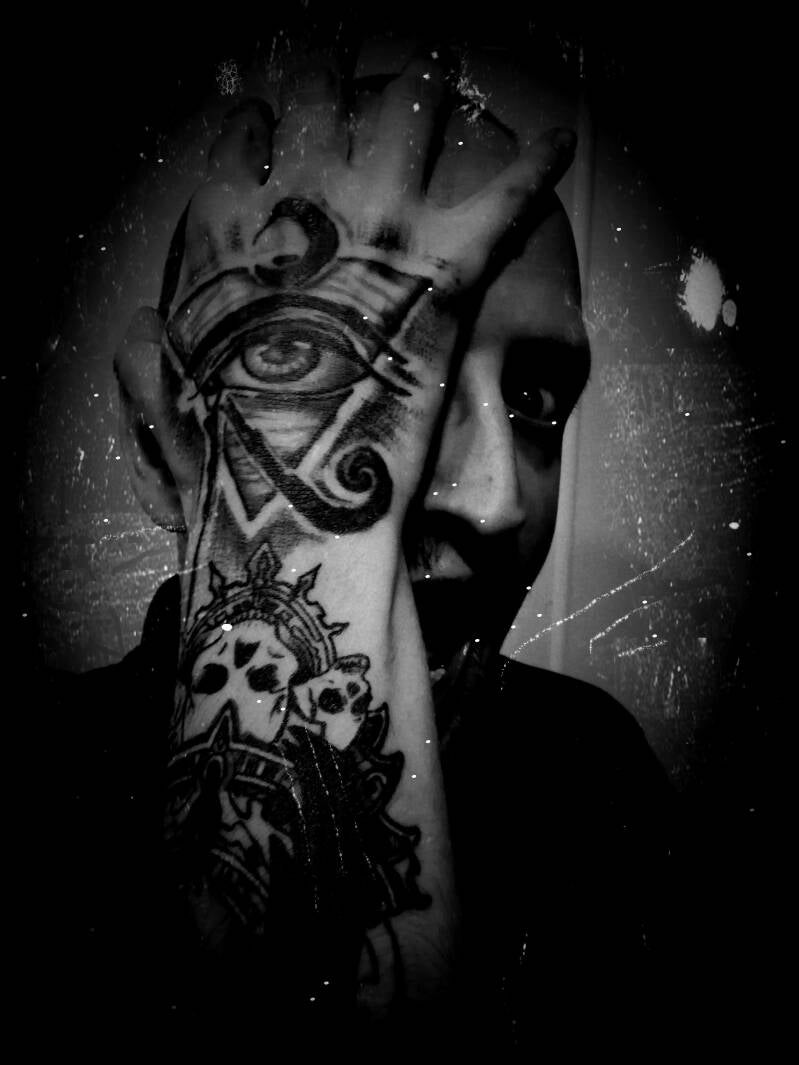
ARTWORK BASED ON THE UNNATURAL THINGS ANTHOLOGIES


Space
This digital painting of a spaceship represents my passion for the unknown and the exploration of new worlds. I love creating art that evokes a sense of wonder and curiosity.